You're not dealing with 'bad behaviour'.
You're missing what’s driving it.
In this complimentary 30-minute Whole Story Clarity Call, we breakdown one recurring behaviour so you can see it clearly without the emotional charge running the show.
So you know exactly what to do in the moment, instead of reacting to it.
What parents notice after one conversation
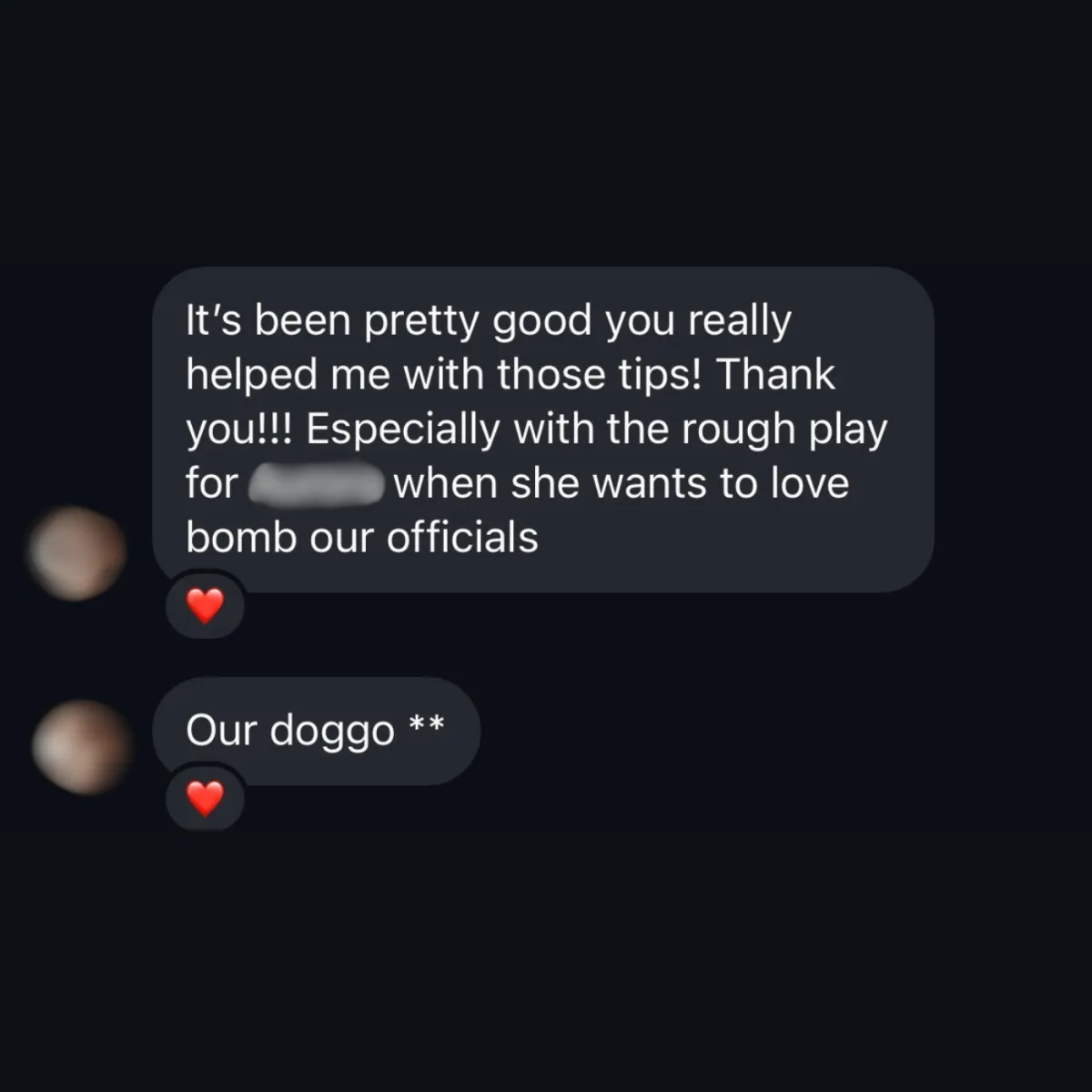
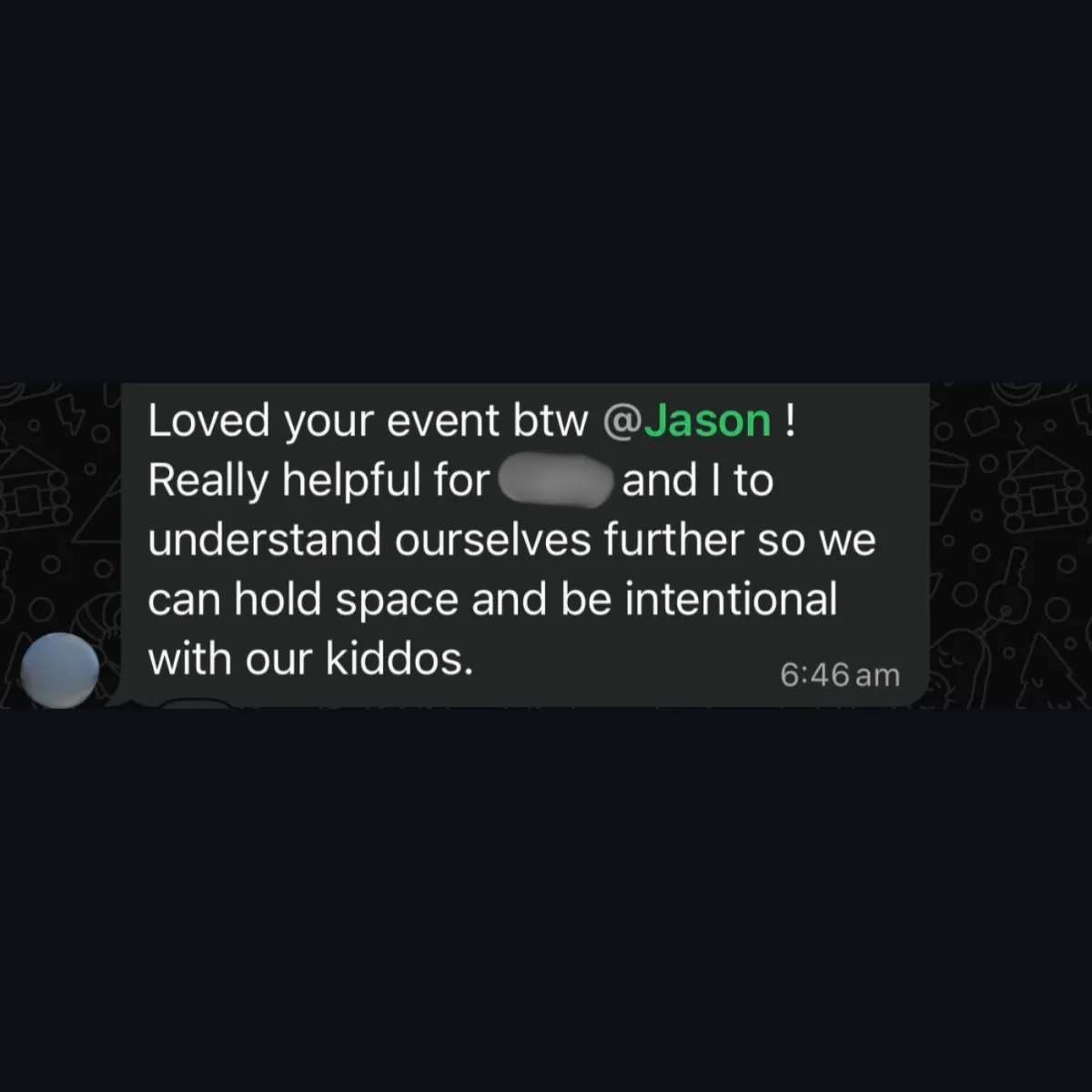
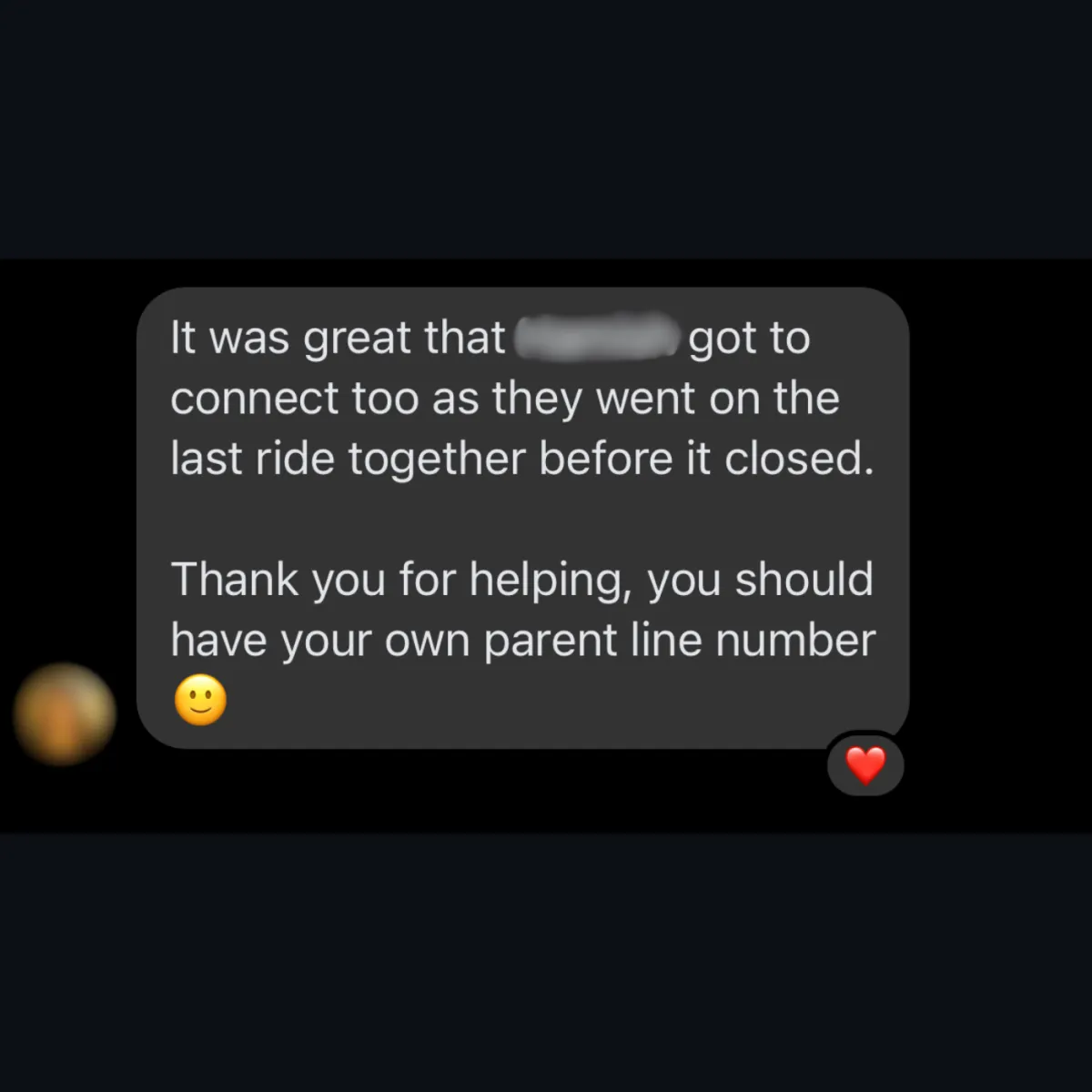
“He helps me find clarity when I feel lost.”
"Just talking through what’s happening slows everything down and makes sense of the moment."
“He listens without judgement and understands where I’m coming from.”

You have thought about the behaviour.
You know there is more to it.
You may even know where it comes from.
And yet, in the moment,
everything changes.
Your tone shifts.
Your body tightens.
You say things you didn’t mean to say.
And afterwards?
You replay it.
Over and over.
Knowing that wasn’t the parent you want to be.
You become the parent you don’t want to be.
And afterwards, you replay it in your head.
What you said.
How you said it.
The look on their face.
You know you can be better for them.
For yourself.
But in that moment.....
Every behaviour has:
An unmet need
An internal story
A nervous system state
If you don’t see these, you’ll keep reacting to the surface.
On the Whole Story Clarity Call, I map it out with you.
Not to label you
Not to label your child
Not to diagnose or judge
But to clearly expose what is happening, so you are no longer reacting blindly in the moment.
When you can see what is happening underneath behaviour, the reaction loses its grip.
When you're no longer fused to it, you can choose with clarity.
What happens on a
Whole Story Clarity Call
We take one behaviour that’s getting the most attention right now and zoom out.
In 30 minutes, we map the whole story around the behaviour:
What’s happening around your child (patterns, overwhelm, environment)
What’s happening inside your child (nervous system signals)
What’s happening inside you (your response in the moment)
You’ll leave knowing what’s driving the behaviour and what your next step is.